
Why BMW, Mercedes, Audi & Porsche AC Systems Fail in Georgia Heat
Why AC Systems in BMW, Mercedes, Audi & Porsche Fail Faster in Georgia Heat
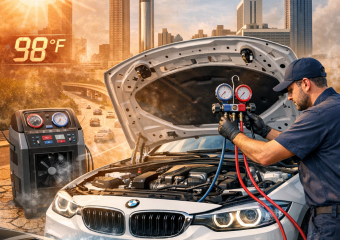
If you drive a BMW, Mercedes, Audi, or Porsche in Georgia, you already know summer can be brutal. The heat is intense, the humidity is high, and stop-and-go traffic makes everything worse. That combination puts serious stress on European car air conditioning systems, which is one reason AC systems in BMW, Mercedes, Audi & Porsche fail faster in Georgia heat than many drivers expect.
These vehicles are engineered for performance and comfort, but they also rely on complex climate control systems with tightly tuned components. When temperatures climb and the car is exposed to constant heat, small weaknesses can turn into expensive repairs.
Georgia Heat Pushes AC Systems to the Limit
Hot weather alone is enough to strain any air conditioner. In Georgia, though, the challenge is not just heat — it is heat plus humidity plus long periods of idling in traffic.

That matters because your AC system has to do three jobs at once:
- Remove heat from the cabin
- Pull moisture out of the air
- Keep cooling performance steady at low speeds and high engine temperatures
European luxury vehicles often use advanced systems with variable compressors, electronic actuators, climate sensors, and multiple control modules. These parts work well, but they are also more sensitive to heat-related wear.
Why European Luxury Cars Are More Sensitive
BMW, Mercedes, Audi, and Porsche models are built with precision. That precision improves comfort and performance, but it can also make the system less forgiving when conditions are extreme.
1. More complex components
Many luxury AC systems use electronically controlled parts instead of simpler mechanical ones. Examples include:
- Variable displacement compressors
- Electronic expansion valves
- Cabin temperature sensors
- Blend door actuators
- Multi-zone control units
When one of these parts starts to fail, the system may still run — but cooling becomes inconsistent, weak, or completely unreliable.
2. Tighter operating tolerances
These brands often use systems designed to perform within narrow ranges. That is great for efficiency and comfort, but Georgia’s heat can push parts beyond those ideal conditions. A slightly weak compressor, low refrigerant level, or aging condenser may not seem serious in mild weather, yet it can become a major problem during a 95-degree afternoon.
3. Heat trapped in traffic
Luxury performance cars often have powerful engines that generate more heat under load. In slow traffic, airflow through the condenser drops, and under-hood temperatures rise. That makes it harder for the AC system to reject heat efficiently.
Common Failure Points in Hot Georgia Weather
When drivers notice their AC is not cooling like it used to, the problem often comes from one of a few common areas.
Compressor strain
The compressor is the heart of the AC system. In extreme heat, it works harder and longer. If the refrigerant charge is low or the compressor is aging, the added stress can speed up failure.
Condenser overheating
The condenser sits at the front of the car and releases heat from the refrigerant. In Georgia’s hot climate, dirt, debris, and poor airflow can reduce its efficiency. Once that happens, cooling performance drops fast.
Refrigerant leaks
Tiny leaks are common in vehicles that see high heat year after year. Rubber seals, hoses, and O-rings can dry out or crack faster in hot conditions, especially when the car sits in direct sunlight.
Electrical and sensor issues
Modern BMW, Mercedes, Audi, and Porsche AC systems depend on sensors and control modules. Heat can damage wiring, cause false readings, or trigger intermittent failures that are hard to diagnose.
Driving Habits That Make It Worse
Even well-maintained vehicles can suffer if they are used in ways that increase heat stress.
A few habits can speed up AC wear:
- Parking in direct sun for long periods
- Running the AC at maximum settings constantly
- Ignoring weak airflow or strange noises
- Delaying service when cooling begins to fade
- Letting cabin filters clog with dust and pollen
Georgia drivers often rely on AC for most of the year, not just summer. That means the system gets used heavily and has less downtime to recover.
How to Protect Your AC System
The good news is that many AC failures can be delayed or prevented with regular care. A little maintenance goes a long way, especially for European vehicles.
Helpful prevention tips
- Replace cabin air filters on schedule
- Check refrigerant levels during routine service
- Inspect belts, hoses, and seals for wear
- Clean the condenser area so airflow is not blocked
- Address weak cooling early, before the system fails completely
It is also smart to have the AC inspected by a technician familiar with European cars. These systems often require brand-specific diagnostic tools and knowledge of model-specific common failures.
Final Thoughts
Georgia heat is tough on every vehicle, but it is especially hard on BMW, Mercedes, Audi, and Porsche climate control systems. Their advanced design, sensitive electronics, and high-performance components make them more vulnerable when temperatures soar.
That is why AC systems in BMW, Mercedes, Audi & Porsche fail faster in Georgia heat if they are not maintained properly. With routine checks, early repairs, and attention to warning signs, you can keep your cabin cool and avoid costly breakdowns when summer is at its worst.