# How Georgia’s Weather Impacts Your Vehicle — And What Suwanee Drivers Should Do About It

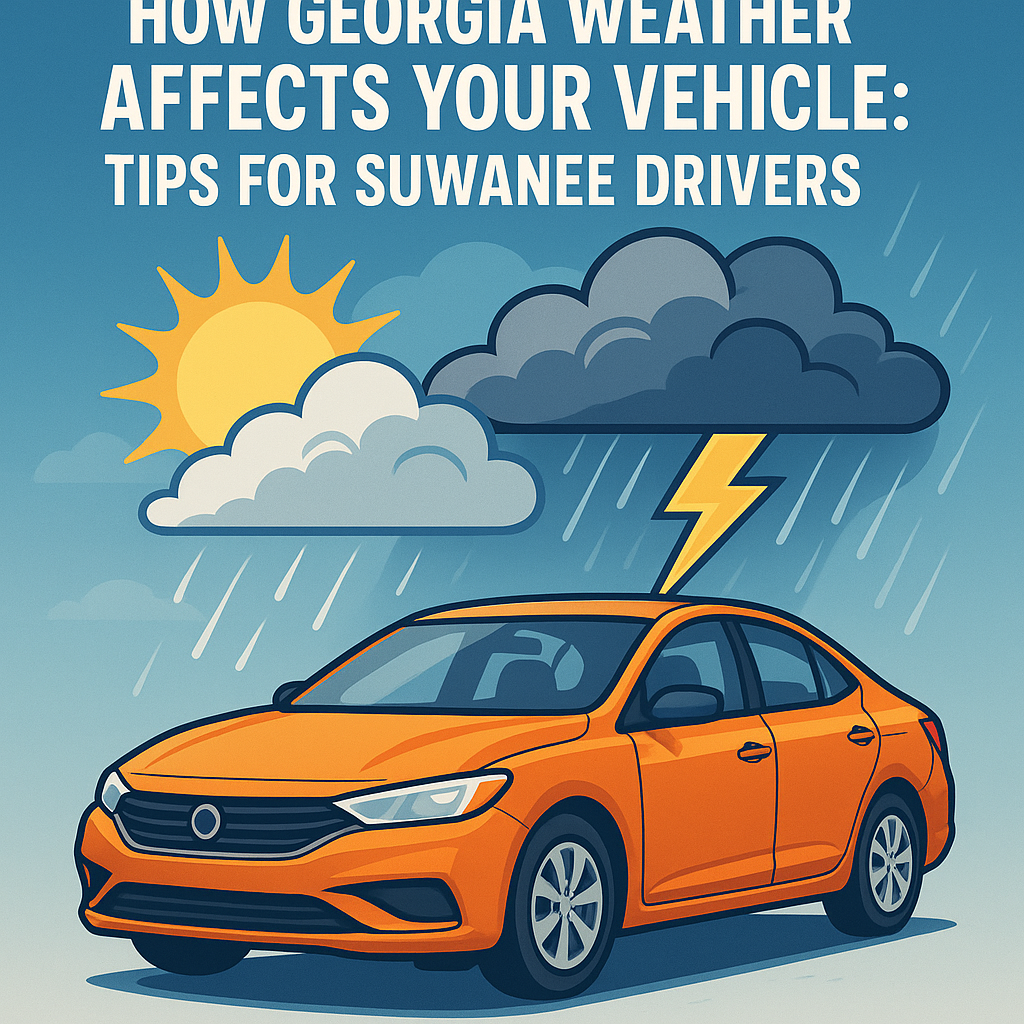
Georgia's weather, with its hot summers and unpredictable winters, significantly affects vehicle performance and longevity. For drivers in Suwanee, understanding these impacts can help you take proactive steps to maintain your vehicle's condition.

The Effects of Georgia’s Hot Summers


High Temperatures and Engine Performance


In Suwanee, summer temperatures often soar above 90°F. Prolonged exposure to extreme heat can cause:

- Engine Overheating: High temperatures can increase the risk of engine overheating, leading to potential damage.
- Oil Breakdown: Heat can cause engine oil to degrade faster, reducing its effectiveness in lubricating engine parts.

Tire Wear and Pressure Fluctuations


With increased heat, the air inside your tires expands, leading to:

- Higher Tire Pressure: This can cause tires to wear unevenly or even blow out.
- Increased Risk of Blowouts: Extreme summer heat can exacerbate existing tire weaknesses.

Battery Life Reduction


Georgia's heat can take a toll on car batteries:

- Accelerated Battery Drain: Hot weather can lead to faster battery deterioration.
- Increased Risk of Failure: A battery that might last 5 years in cooler climates may only last 3-4 years in Georgia.

Action Steps for Summer


1. Regular Coolant Checks: Ensure your coolant levels are adequate and that your radiator is in good condition to prevent overheating.
2. Monitor Tire Pressure: Check tire pressure regularly, especially before long trips.
3. Battery Maintenance: Consider having your battery tested annually to ensure it can handle the heat.

The Impact of Mild Winters


While Georgia’s winters are relatively mild, drivers in Suwanee still face some unique challenges:

Cold Weather Effects


Even mild winter temperatures can cause issues:

- Fluid Thickening: Engine oil can become thicker in cooler conditions, impacting lubrication.
- Battery Performance: Cold weather reduces battery efficiency, making starting your vehicle more challenging.

Potential for Ice and Snow


While rare, Suwanee does experience occasional winter weather:

- Slippery Roads: Icy patches can lead to dangerous driving conditions.
- Increased Wear on Tires: Winter conditions can contribute to more rapid tire wear.

Action Steps for Winter


1. Oil Change Considerations: Use the appropriate oil viscosity for winter to ensure your vehicle operates smoothly.
2. Inspect Tires: Ensure your tires have adequate tread and are suitable for handling icy conditions.
3. Emergency Kit: Equip your vehicle with an emergency kit that includes blankets, water, and a first-aid kit in case of emergency during inclement weather.

Seasonal Maintenance Tips


To keep your vehicle in top shape throughout the seasons in Suwanee, consider the following:

Create a Seasonal Checklist


1. Spring:
   - Check windshield wipers and replace if necessary.
   - Inspect belts and hoses for wear.

2. Summer:
   - Make sure coolant levels are full.
   - Monitor tire conditions and pressure.

3. Fall:
   - Change oil if necessary and check fluid levels.
   - Test battery to ensure efficiency for winter.

4. Winter:
   - Use the proper oil viscosity for colder temperatures.
   - Check brakes and tires for winter readiness.

Regular Inspections


- Schedule regular inspections with a trusted mechanic to assess your vehicle’s condition.
- Keep an eye on any warning lights on your dashboard and address them promptly.

Conclusion


Understanding how Georgia’s weather impacts your vehicle is essential for Suwanee drivers. By taking proactive measures and performing regular maintenance, you can help ensure your vehicle remains in excellent condition throughout the year. Navigate the seasonal challenges with confidence and enjoy your drives in and around Suwanee, Georgia.