
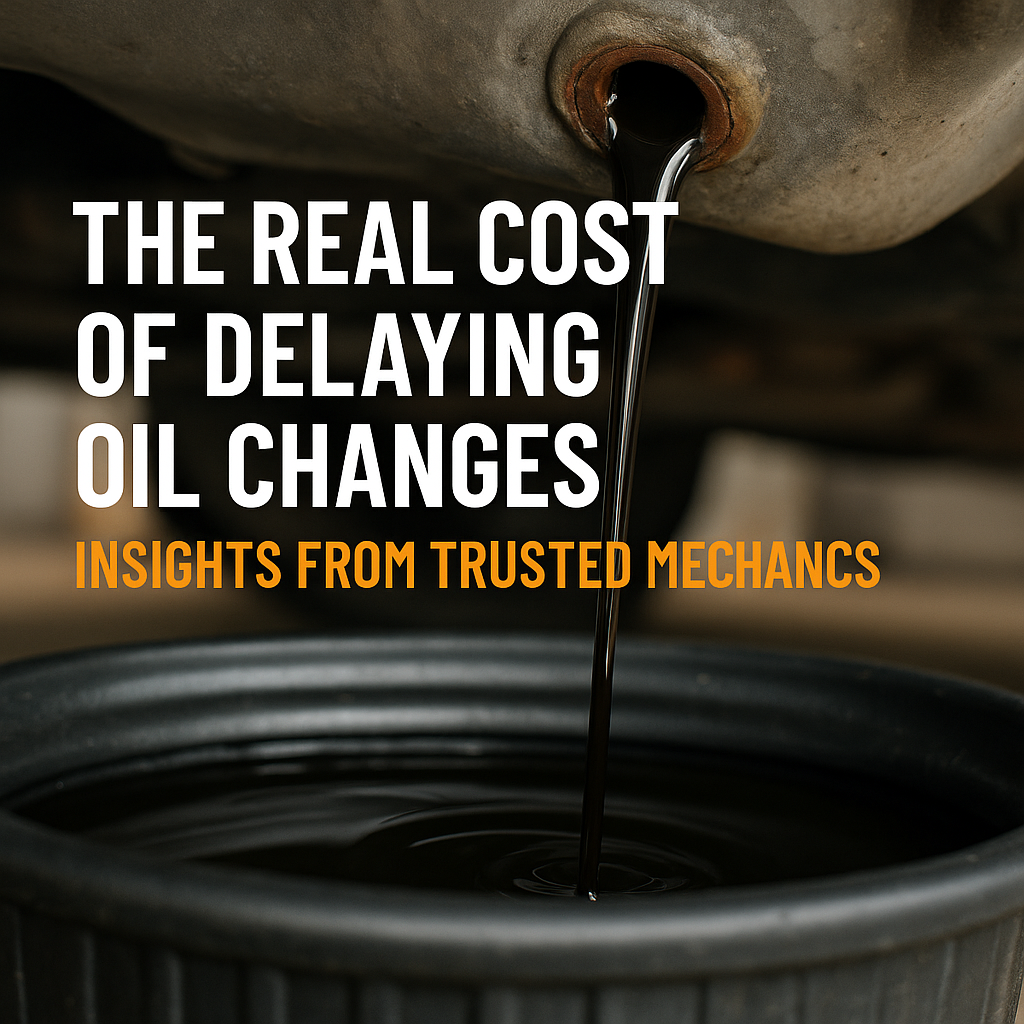
The Real Cost of Delaying Oil Changes: Insights from Trusted Mechanics
The Real Cost of Delaying Oil Changes: Insights from Suwanee’s Trusted Mechanics
Maintaining your vehicle is crucial to ensuring its longevity and performance. One of the simplest yet most vital maintenance tasks is regular oil changes. Suwanee’s trusted mechanics emphasize that delaying oil changes can lead to significant costs in the long run.
Why Oil Changes Matter
Your car’s engine relies on oil to lubricate its internal components. Fresh oil helps to reduce friction, dissipate heat, and clean out harmful debris. Neglecting regular oil changes can cause several issues, including:
- Engine Sludge Formation: Old oil breaks down and becomes less effective at cleaning. This can lead to sludge buildup, which can block oil passages and reduce engine efficiency.
- Increased Engine Wear: Without proper lubrication, engine components may experience increased friction and wear, potentially leading to costly repairs.
- Overheating: Oil helps regulate engine temperature. Dirty or insufficient oil makes it harder for the engine to stay cool, risking overheating and severe damage.
The Financial Impact of Delaying Oil Changes
Delaying your vehicle’s oil change can incur costs that far exceed the price of the service itself. Here are some insights on the potential financial repercussions:

1. Repairs from Engine Damage
Neglecting timely oil changes can lead to significant engine issues. The costs associated with repairing or replacing an engine can range from $3,000 to over $7,000, depending on the make and model of your vehicle.
2. Reduced Fuel Efficiency
Old oil causes your engine to work harder, which can negatively impact fuel efficiency. According to Suwanee’s trusted mechanics, routine oil changes can help maintain optimal fuel economy, saving you money at the pump.
3. Increased Wear and Tear
When you skip oil changes, you increase the wear on your engine components. Over time, this wear can lead to more frequent repairs. A simple oil change typically costs between $30 to $100, while major repairs can reach thousands of dollars.
4. Reduced Resale Value
A well-maintained vehicle will command a higher resale value. Prospective buyers often request maintenance records, including oil changes. Inconsistent oil changes can reduce your car’s appeal and decrease its resale value by 15-20%.
How Often Should You Change Your Oil?
While the age-old rule was to change the oil every 3,000 miles, advancements in engine technology and oil formulations have changed this recommendation. Many modern vehicles can go 5,000 to 7,500 miles between oil changes, while some may even extend beyond 10,000 miles.
Check your owner’s manual for specific guidelines and consult Suwanee’s trusted mechanics if you have any questions regarding your vehicle’s oil change schedule.
Signs You Need an Oil Change
In addition to following a schedule, it’s essential to be aware of signs that indicate your vehicle needs an oil change:
- Check Engine Light: If this light illuminates, it may be time for an oil change.
- Engine Noise: Louder than usual engine sounds can indicate insufficient lubrication.
- Oil Color and Consistency: Fresh oil is usually amber and smooth. If it appears dark and gritty, an oil change is necessary.
- Burning Smell: A burnt oil smell can signal an oil leak or that the oil has broken down.
Final Thoughts: Don’t Delay
The consequences of delaying oil changes are clear, ranging from minor inconveniences to major expenses. By staying on top of this simple maintenance task, you can save money and prolong the life of your vehicle.
Trust Suwanee’s expert mechanics to help you establish the right oil change schedule for your car, ensuring optimal performance and peace of mind. Your vehicle will thank you for it!