# Check Engine Light On? Here’s What Suwanee Auto Repair Experts Recommend

The dreaded check engine light can be a frustrating and confusing signal for any car owner. Whether you're a seasoned driver or a new car owner, encountering this warning can lead to a mix of anxiety and uncertainty. Fortunately, Suwanee auto repair experts have valuable insights to help you navigate this situation effectively.

Understanding the Check Engine Light


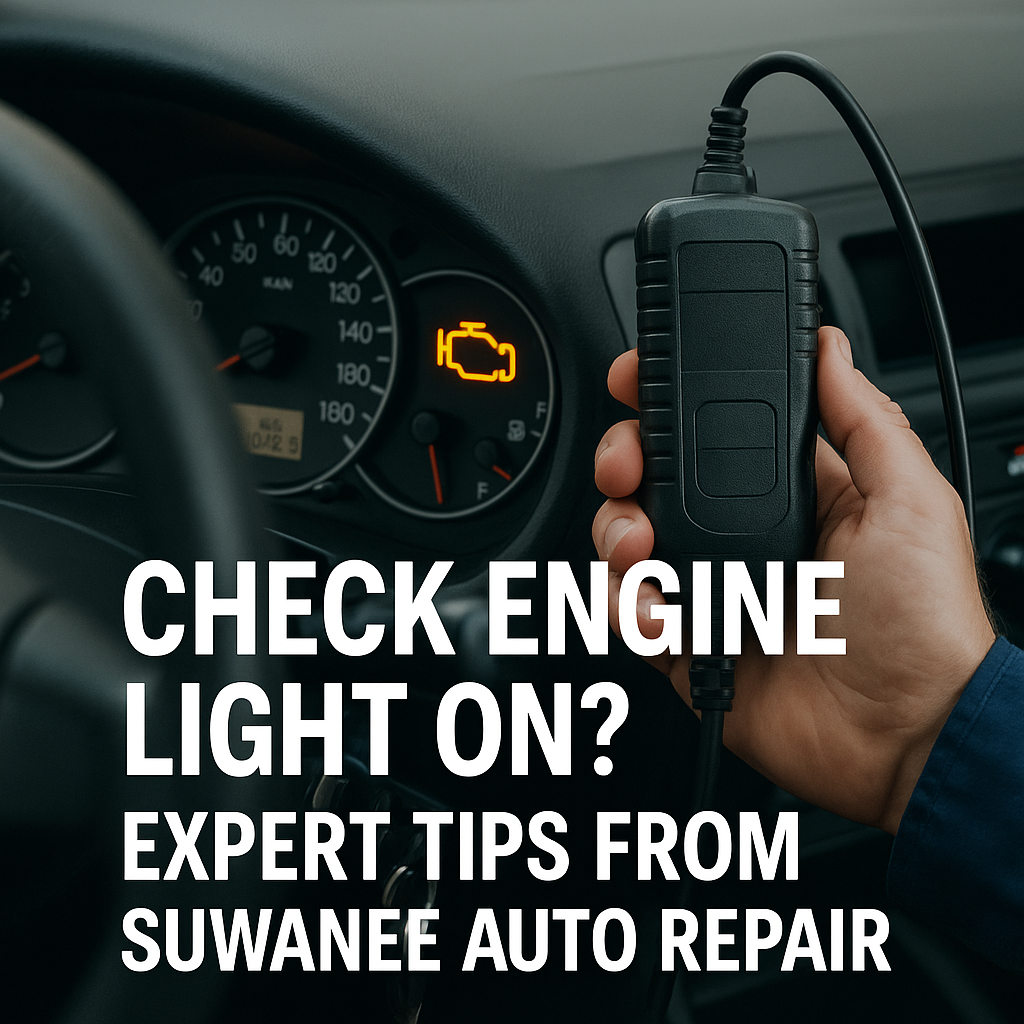
The check engine light is part of your vehicle's onboard diagnostic system. It illuminates for various reasons, ranging from minor issues to significant mechanical failures. Here’s what you need to know:

- Color Matters: Typically, the check engine light is amber. If it's flashing, it indicates a serious issue that requires immediate attention.
- Different Triggers: The light can be triggered by anything from a loose gas cap to a malfunctioning catalytic converter.

Immediate Steps to Take


When your check engine light comes on, it’s essential to act promptly but calmly. Here are some steps that Suwanee auto repair experts recommend:

1. Check for Obvious Issues
   - Inspect the gas cap to ensure it’s secure. A loose cap can trigger the light.
   - Look for any fluid leaks or unusual sounds from the engine.

2. Review Recent Changes
   - Consider any recent repairs or maintenance. New parts may need recalibration.
   - Have you filled your gas tank recently? Quality fuel can sometimes cause the light to come on if it doesn’t meet your vehicle’s specifications.

3. Check Your Owner's Manual
   - Consult the manual for specific advice related to your vehicle. It may offer insights on the check engine light based on the make and model.

When to Visit a Mechanic


If the light remains on after your preliminary checks, it’s time to consider a trip to your trusted Suwanee auto repair shop. Here are signs that indicate you should seek professional help:

- Persistent Warning: If the light stays on after you've checked for simple fixes.
- Flashing Light: A flashing light indicates a more severe issue, such as engine misfire.
- Performance Issues: Noticeable changes in engine performance, like rough idling or decreased acceleration.

Diagnostic Procedures


Once you visit a Suwanee auto repair professional, they will typically conduct the following diagnostic procedures:

1. Use of an OBD-II Scanner
   - This tool reads codes from your vehicle’s computer, pinpointing the issue.

2. Visual Inspections
   - Technicians will inspect under the hood, checking the engine's various components to identify any visible issues.

3. Assessment of Vehicle Performance
   - Detailed performance tests may be conducted to gauge how the engine runs.

Common Causes of Check Engine Light


Understanding the common culprits behind the check engine light can help ease your mind. Here are some frequent offenders:

- Oxygen Sensor Failure: Crucial for managing fuel efficiency and emissions.
- Catalytic Converter Issues: A vital component for reducing harmful emissions.
- Mass Airflow Sensor Malfunction: It affects air intake and fuel mixture.
- Spark Plugs or Wires: Worn components that can lead to engine misfires.

Preventive Measures


Preventing the check engine light from coming on in the first place can save you time and money. Here’s how:

- Regular Maintenance: Adhere to the manufacturer’s recommended maintenance schedule.
- Use Quality Fuels: Always opt for high-quality fuel to minimize the risk of issues.
- Stay Alert: Pay attention to unusual sounds or performance changes while driving.

Conclusion


A check engine light is not always a cause for panic, but it's essential to take it seriously. By following the recommendations of Suwanee auto repair experts, you can effectively manage this warning signal. Whether you check your gas cap or consult a professional, acting quickly can prevent more serious issues down the line. Don’t hesitate to reach out to a trusted mechanic if you have concerns—your vehicle's health is worth it!